How to Address Common Causes of Water Leaks in Oman’s Rooftop Pools?.
Case Study: Failure of Fiberglass Honeycomb Sandwich Pool Shell in Rooftop Installation.

Introduction
This case study investigates the failure and deterioration of a fiberglass honeycomb sandwich pool shell installed on a rooftop structure. The pool, with a raft area of approximately 210 m², developed leakage and structural bulging over several years. A detailed inspection revealed trapped water between the fiberglass shell and the supporting RCC slab, along with extensive weakening of the honeycomb sandwich core.
Construction Type
The pool shell is constructed from:
- Top & bottom fiberglass skins (polyester/vinyl ester resin reinforced with chopped strand mat).
- Honeycomb core layer (polypropylene or PVC hexagonal cells) for stiffness and weight reduction.
- Installed over a sand bedding atop the reinforced concrete (RCC) slab.
This sandwich design is lightweight and cost-efficient, but vulnerable to moisture ingress and UV exposure.

Observed Failures
Water Trapped in Core
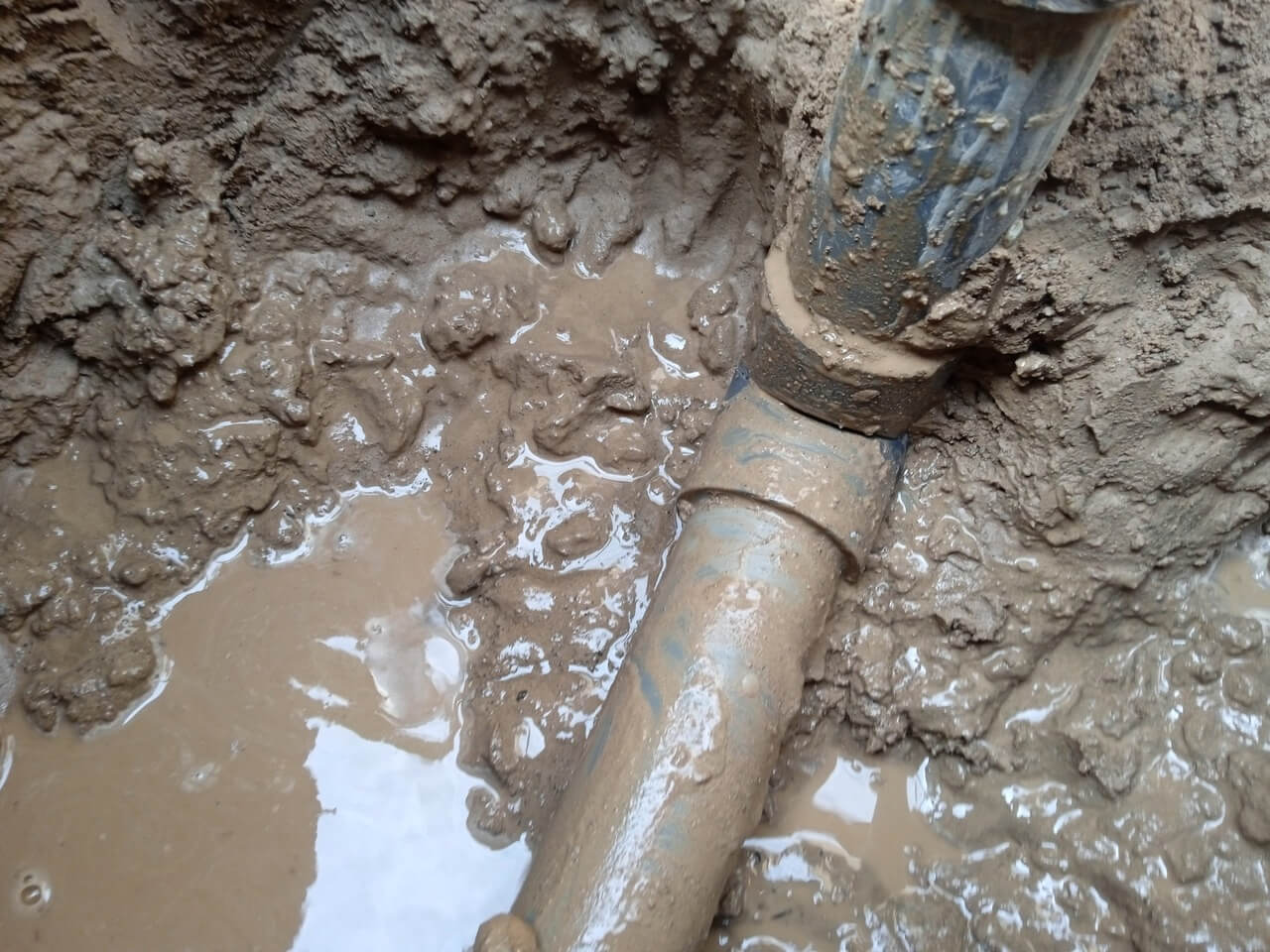
- During inspection, 100–200 mm of water was found trapped beneath the fiberglass shell across the 210 m² area.
- Water had entered the honeycomb cells through cracks, fittings, and shell penetrations (light niches, suctions, inlets).
- No drainage provision existed, leading to long-term waterlogging

Resin Degradation
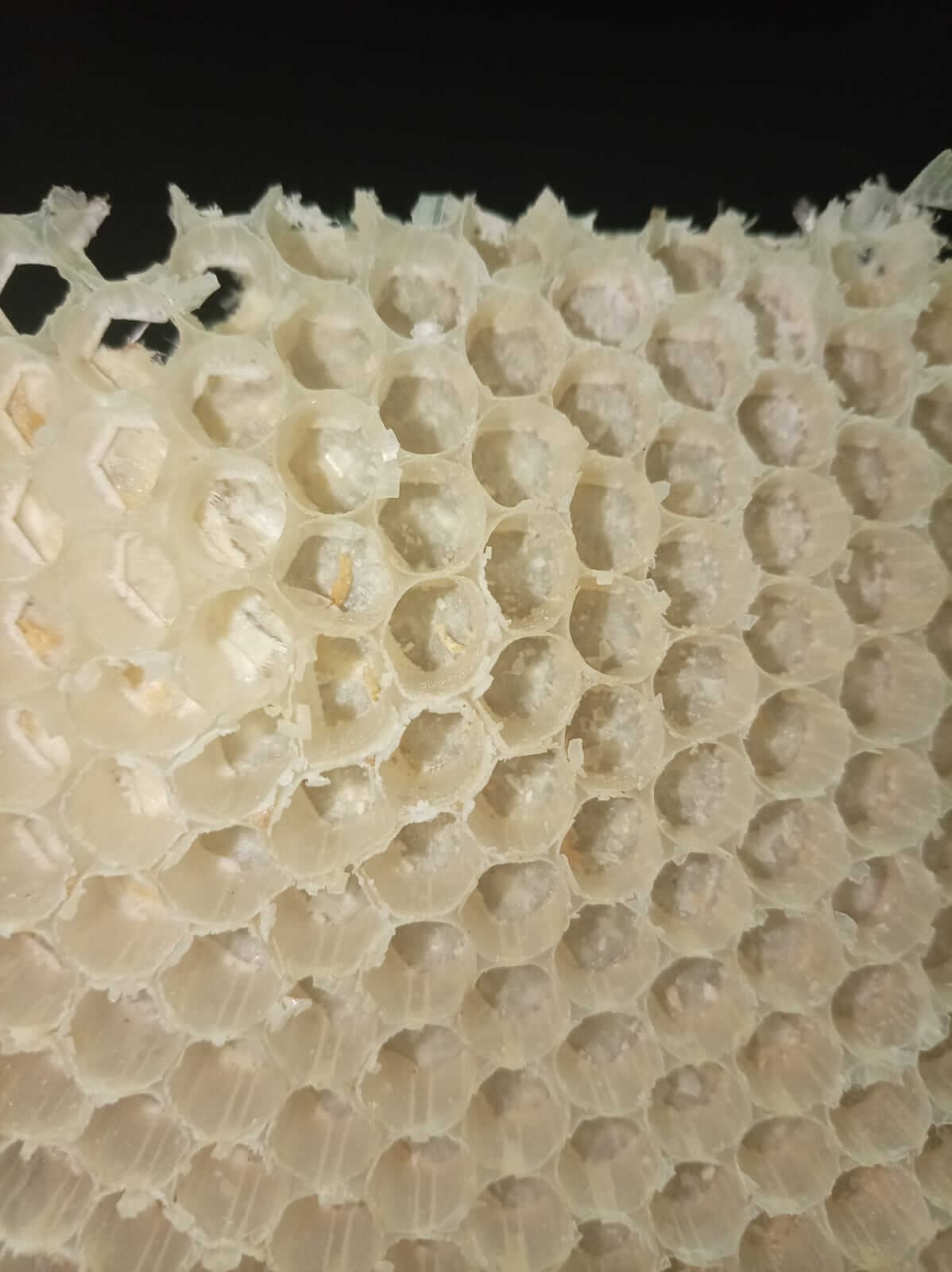
Cross-sectional samples (see attached photos) showed powdery white dust inside honeycomb cells.
This indicates resin hydrolysis and chemical breakdown from long-term exposure to chlorinated, acidic, and alkaline pool water.
Resin embrittlement reduced the shear strength of the honeycomb core.
Bulging & Delamination
Multiple bulges were observed on the shell raft and walls.
Hydrostatic pressure from trapped water, combined with loss of bonding between skins and honeycomb, caused the pillow-type is bulge.

UV & Thermal Damage
- Prolonged sunlight/UV exposure on the rooftop accelerated gelcoat breakdown.
- Surface became chalky, brittle, and discolored.
- Thermal expansion/contraction cycles caused additional skin-to-core separation.
Root Causes
- Chlorinated Water Seepage → chemical attack on resin, leading to degradation.
- No Drainage Path → stagnant water trapped in the honeycomb layer.
- UV Radiation & Heat → accelerated resin breakdown and delamination.
- Long-Term Neglect → water seepage >5 years without corrective repair.
Consequences
- Structural Weakening of fiberglass shell raft.
- Loss of watertightness, causing continuous leakage to the RCC base slab and residential areas below.
- RCC Damage Risk → Seepage into the concrete slab may cause carbonation, chloride ingress, and rebar corrosion.
- High Repair Risk → Most contractors refused rectification due to complexity and rooftop risk.
Recommended Rectification Measures
Immediate Dewatering
- Cut localized openings, drain trapped water, install temporary drainage points.
Localized Repair
- Remove degraded honeycomb sections.
- Re-laminate with CSM 300 gsm + vinyl ester resin.
- Overlap joints 20 cm in all directions.
UV Protection
- Apply polyurea or UV-stable topcoat after repair to prevent future degradation.
Structural Monitoring
- Perform RCC slab tests (chloride content, carbonation depth, compressive strength) to confirm base slab safety.
Preventive Maintenance
- Annual inspection with FLIR thermal imaging and water-level monitoring.
- Immediate sealing of cracks/penetrations.
Conclusion
This case demonstrates the vulnerability of fiberglass honeycomb sandwich panels when used in rooftop pool applications without proper waterproofing, drainage, and UV protection. Long-term exposure to chlorinated water seepage and sunlight resulted in resin degradation, delamination, bulging, and leakage.
For future designs, it is recommended to:
- Use vinyl ester resin or epoxy resin systems for higher chemical resistance.
- Provide under-shell drainage and ventilation.
- Apply UV-resistant coatings to exposed fiberglass surfaces.
- Establish a preventive inspection and maintenance plan.